












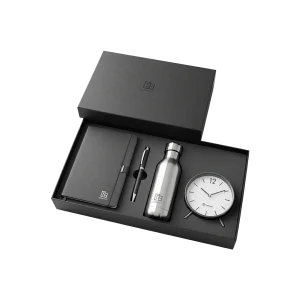
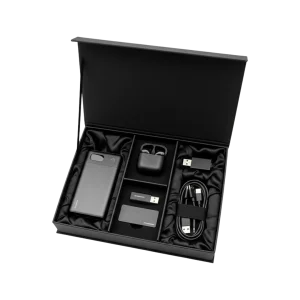
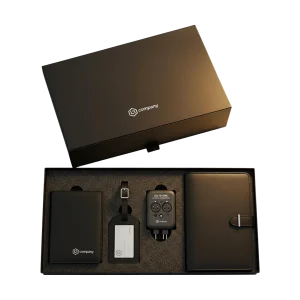
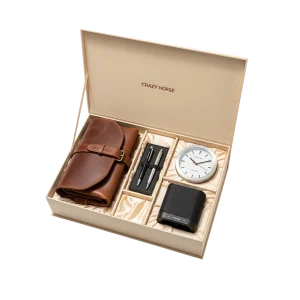
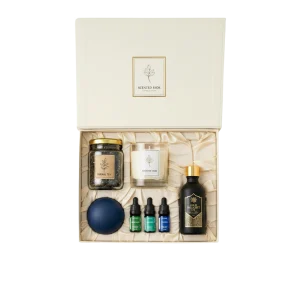
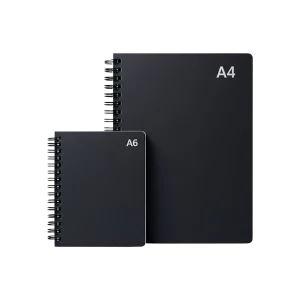
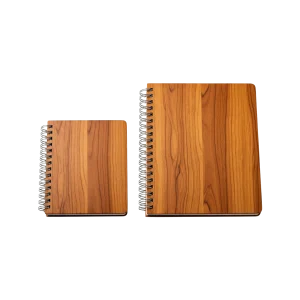






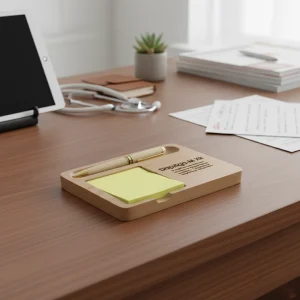
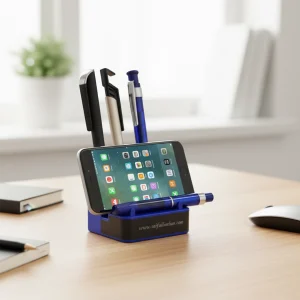
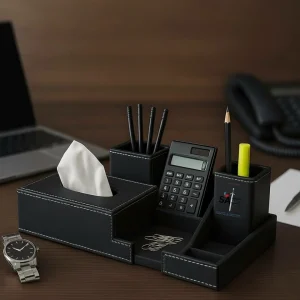
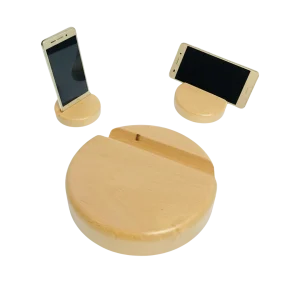
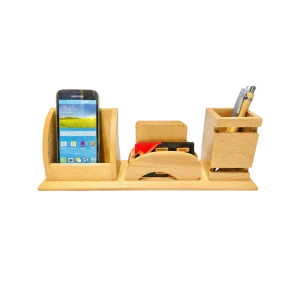




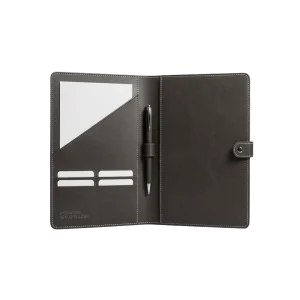
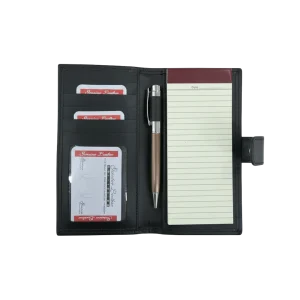






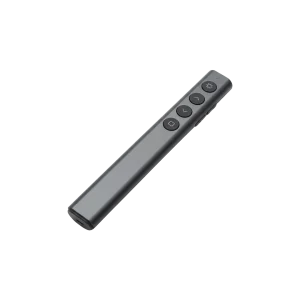

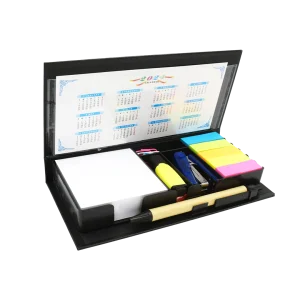
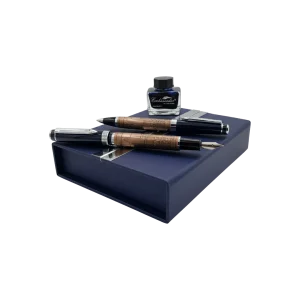

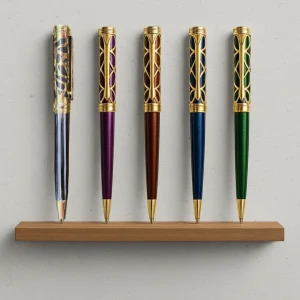
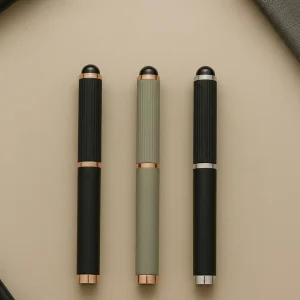







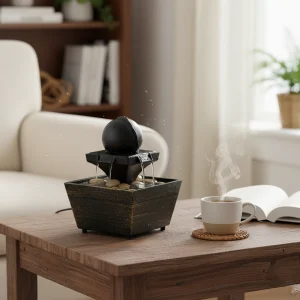
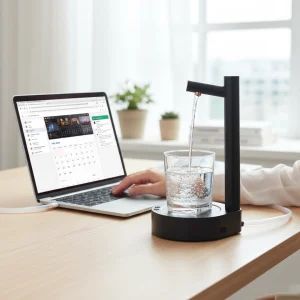



For years I ran a small product design studio. We had eight people, three offices, and a constant scramble to deliver work faster. Clients wanted more. We wanted more. Everyone was chasing speed. We bought tools, optimized meetings, cut corners. And you know what happened? We made more stuff, but we made less that mattered. The turning point came when a client handed us a project that required not just output, but real attention to what people see, feel, and touch in a space. That project forced us to stop optimizing for speed and start optimizing for flow. I started using bino as a physical anchor to slow down and watch how people actually use objects in a room, not just how they look on a screen.
The moment the numbers stopped making sense
We had a client who manufactured lighting fixtures. They wanted a showroom that could rotate every six months. Standard request. We delivered on time. But six months later, nobody had changed anything. When I asked why, the store manager said, “Because the new layouts never felt right.” We had failed to understand how people move through physical spaces. Speed had nothing to do with it. What mattered was rhythm — the natural way a person walks in, pauses, turns, and decides what to look at next. We had treated the showroom like a webpage, not a place. That mistake cost us the renewal contract and taught me a hard lesson.
Working with attention, not against it
Most creative work is not about making faster decisions. It is about making fewer, better ones. I noticed that when our team rushed, we settled for the first idea that worked. When we slowed down and let one concept breathe, we found second and third layers. Here is what I do now: start every project with a physical walk through the environment. Stand in the actual space. Watch the light. Notice where people pause. I ask our photographers and stylists to do the same. They spend time with the objects, rearranging them without a timer. One stylist told me she could finally see why a ceramic vase looked wrong against a textured wall — something she would have missed in a frantic shoot. This is not about being slow. It is about being present with what you are making.
Three tactics that changed how my team works
These are not productivity hacks. They are habits we had to force for months before they stuck. Pick one and try it for two weeks:
- Block 90 minutes every morning with no notifications. Just you and the physical materials of the project.
- At the end of each week, remove one object from your workspace that distracts you. It could be a phone, a chair, a poster.
- When you finish a draft, read it out loud while standing in the space where it will be used. This works for text, for images, for product layouts.
- Set a timer for 15 minutes of staring. Not thinking. Staring at the problem without trying to solve it.
- Once a month, ask someone who never sees your work to walk through it and say what they notice first.
- Stop any meeting that lasts longer than 45 minutes. Stand up and walk the room instead.
Why tools that slow you down can speed you up
A friend of mine is a commercial photographer. He used to shoot 300 images per product batch. Now he shoots 30. He says the difference is that he spends the first hour just arranging the light and the objects before he ever touches the camera. He uses physical props and real materials instead of digital presets. He told me, “When I go slow, I get three keepers. When I go fast, I get zero.” That is the same principle I apply to my studio. We invest in physical tools that demand patience — real lenses, real fabrics, real light meters. You cannot fake the feedback of a real object in a real space. That feedback is what teaches you what works.
“The best creative work I have ever seen came from people who were willing to wait for something to reveal itself, rather than forcing it to appear.”
Practical steps to shift your own workflow
Start with one project. Pick a small one, maybe something you have been procrastinating on. Clear your desk of everything except the physical materials related to that work. Then set a rule: for the first 30 minutes, you can only arrange and rearrange those materials. No digital tools. No searches. Just you and the stuff. See what emerges. Then do the same with your team. Ask everyone to bring one physical object that relates to the project. Put them on a table. Move them around. Talk about why you placed each item where you did. That conversation alone will reveal more than three calendar weeks of email threads. The goal is not to produce faster. It is to produce work that people actually want to stop and look at. And in my experience, you can only get there by giving yourself permission to be slow.