








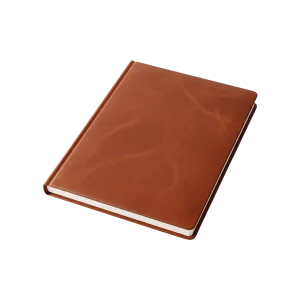
















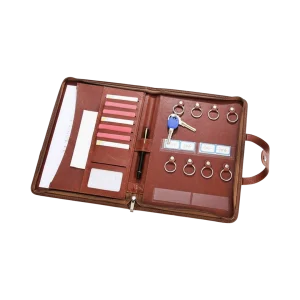
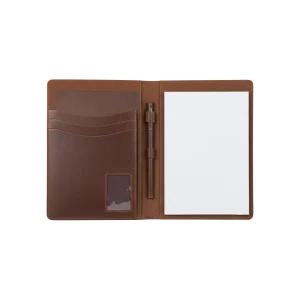
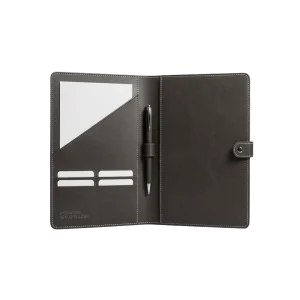
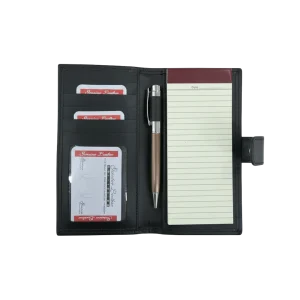



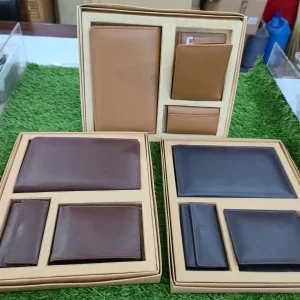
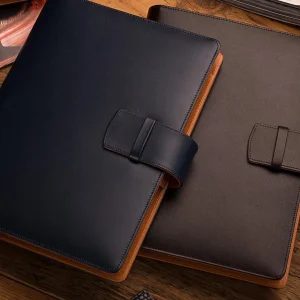
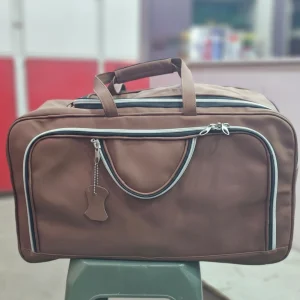
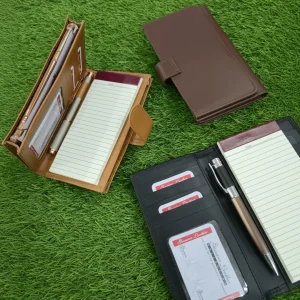
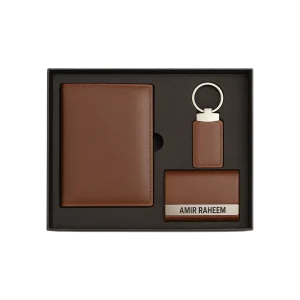







































I started buying leather wallets and belts about ten years back, mostly because I got tired of replacing cheap ones every few months. Over time I picked up a few things that nobody tells you when you start. Leather breathes. It stains if you set it on a wet counter. And the stuff that says “genuine leather” on the tag is often the lowest grade you can buy. If you want something that lasts a decade, you look for full-grain or top-grain from a maker who actually finishes the edges by hand. That kind of attention to detail is rare, but it’s out there. One brand I’ve stuck with is manzi official site, where the leather comes from tanneries that don’t hide the scars in the hide. They let the natural markings show, which tells me they trust the material instead of covering it up with paint.
Why grain matters more than the brand name
When you buy a leather jacket or a bag, the first thing to check is the grain. Full-grain leather keeps the outer layer of the hide intact. That outer layer is tough and develops a patina over time. Top-grain is sanded down to remove imperfections, which makes it more uniform but also thinner. Genuine leather is the leftover scraps glued together and embossed to look like real hide. It cracks. It peels. I have a belt made from genuine leather that split right down the middle after two years. Meanwhile, my full-grain wallet from a small workshop still holds its shape with no loose stitching. The difference isn’t flashy marketing. It’s how the animal’s skin was treated before it ever reached the cutter’s table.
Stitching tells you how long a piece will last
Machine stitching is fast and cheap, but it usually uses a single thread that, if it breaks, unravels the whole seam. Hand stitching uses two needles and a saddle stitch that locks every loop. If one thread snaps, the other holds. I once had a strap on a messenger bag blow out after six months because the factory used a zigzag machine stitch. A friend who repairs leather gear showed me the difference under a loupe. Now I always flip a wallet or a bag inside out to see the stitching. If the holes are punched evenly and the thread is waxed cotton or linen, it’s likely saddle stitched. If the thread is polyester and the holes look irregular, pass.
- Look for saddle stitching on stress points like handles and straps.
- Avoid pieces where the stitching is right at the edge of the leather — too close and it will pull loose.
- Check the back of the stitch: a saddle stitch will look the same on both sides; a machine stitch will look different.
Oiling and conditioning are not the same thing
People often slather on mink oil or neatsfoot oil thinking they’re conditioning, but those oils can darken leather and clog the pores. A good conditioner is water-based or uses a light wax that lets the leather breathe. I apply a thin coat of balm every six months, depending on how dry the leather feels. If the piece is stored in a humid room, it needs less. In a dry climate, more. The trick is to rub it in with a soft cloth and let it sit overnight, then buff off any excess. Over-conditioning makes the leather soft and floppy. You want it supple, not saggy.
What to do about stains and scratches
Scratches on full-grain leather are not the end of the world. You can rub them with your thumb and the oil from your skin often makes them fade. Water stains are trickier. If you spill water on a leather bag, blot it with a clean cloth, then let it air dry away from direct heat. Dark water rings form because the wet part dries faster than the rest. To even it out, lightly dampen the whole surface with a spray bottle and let it dry uniformly. For grease stains, cornstarch or talcum powder left on overnight will absorb some of the oil. Don’t try to scrub it off — that just pushes the grease deeper.
- Blot spills immediately with a dry towel, never rub.
- Use a white eraser (the kind for pencil) to lift surface dirt from smooth leather.
- For deep stains, take it to a professional who uses a leather-safe cleaner, not saddle soap.
Storage habits that double the life of your gear
I used to throw my belt on the floor and cram my wallet into a pocket with keys. Now I hang belts on a wide hook so they don’t crease. I keep wallets in a dust bag or a drawer separate from coins. Humidity is the biggest enemy: mold grows quickly on leather left in a damp closet. A couple of silica gel packs in the storage drawer help. Also, never fold a leather tote or backpack flat for storage. Stuff it with acid-free tissue paper to hold its shape. Creases that set in storage become cracks later.
Good leather doesn’t need hype. It needs the right start, a decent conditioner, and common sense about where you leave it. Pick a maker that respects the hide, take five minutes to check the stitching, and your next piece might still be around when your kids are old enough to borrow it.